Tuesday, 7 July 2015

First, for some familiar faces

1. Cormorants: these birds are so proficient at catching fish that they have been trained to catch fish for people in Asia.
                          
Little Cormorant                                                 Great Cormorant 

2. Herons: their huge wings can measure up to double the size of their bodies.
                             
Indian Pond Heron                                            Black-crowned Night Heron

3. Lapwings: they get their name from the lapping sound made by their large wings when flapped slowly as they usually are. They are also known as "peewits", because of the distinct "pee-wit" call males make during mating season. 
                             
Red-wattled Lapwing                                       Yellow-wattled Lapwing

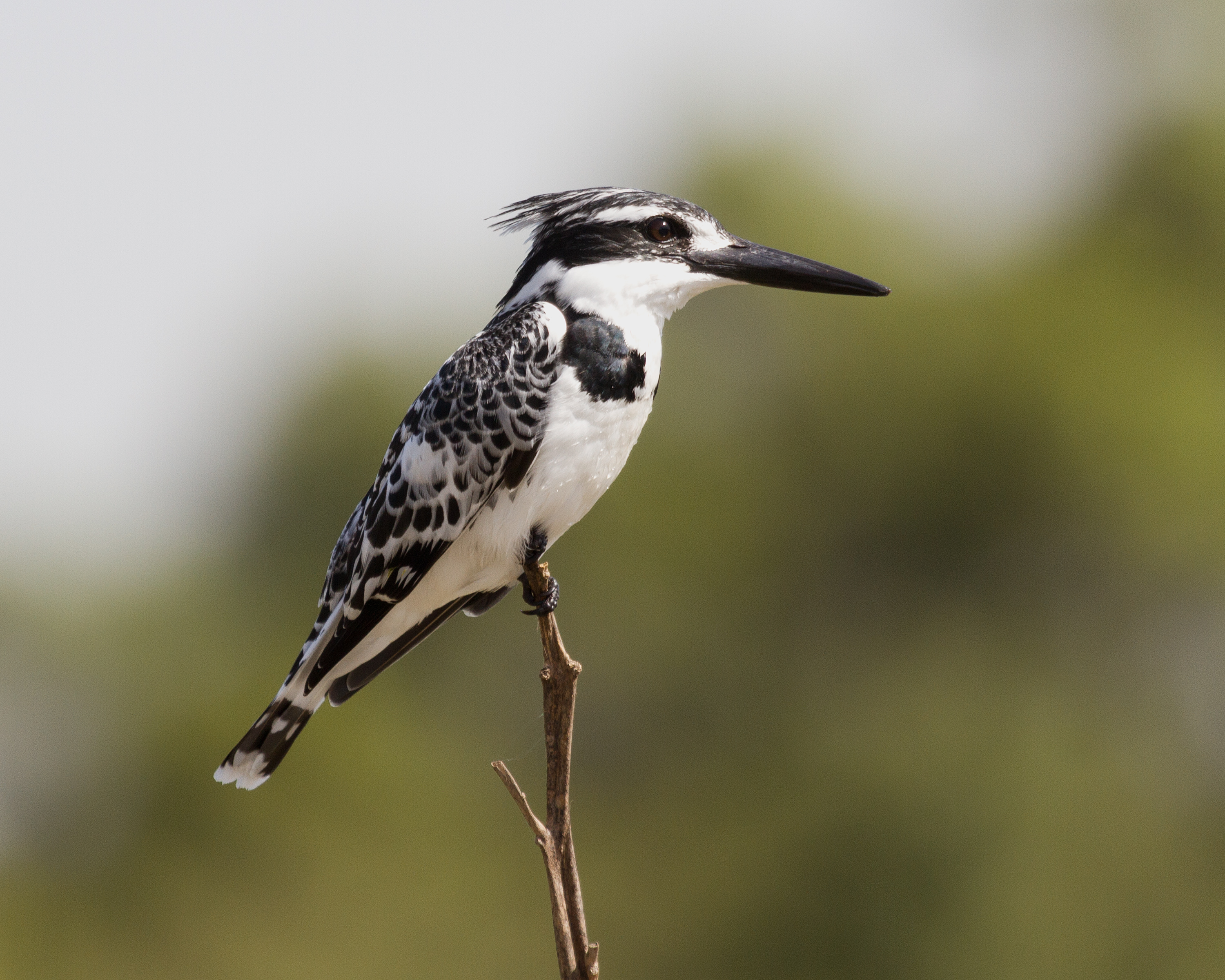
4. Kingfishers: they are known for their sharp eyesight. What's unusual about their vision is that they adopt monocular vision (each eye being used separately) while in air and binocular vision (both eyes being used together) while in water. 
                        
Common Kingfisher                                         Pied Kingfisher

Monday, 6 July 2015

Here are some lesser known species

5.Red-necked Phalarope: these birds are unusual in that the females are more brightly coloured than the males. This is attributed to the fact that the males are responsible for the incubation process and being ground-nesting birds, need to be inconspicuous. 
 Red-necked Phalarope

6.Pheasant-tailed Jacana: Jacanas are well-known for their ability to walk on vegetation that floats on shallow lakes. They are able to do so because of their distinctly large feet and claws. 
 Pheasant-tailed Jacana

7. Oriental Pratincole: these birds are crepuscular, which means that they feed during dawn and dusk while they use the warmer portions of the day to rest. 


8. Blue-tailed Bee-eater: Bee-eaters have a diet that comprises of both harmful and harmless insects. While feeding on the harmful ones like bees, ants and wasps, they either strike their prey forcibly to get rid of the sting or squeeze the venom out of them. 


9. Hoopoes: these aren't the cleanest of birds. Adult hoopoes will often neglect to clean the waste of their young ones, resulting in their dirty, foul-smelling nests. 
Photo by Rajiv LatherKarnal, India, December 2006

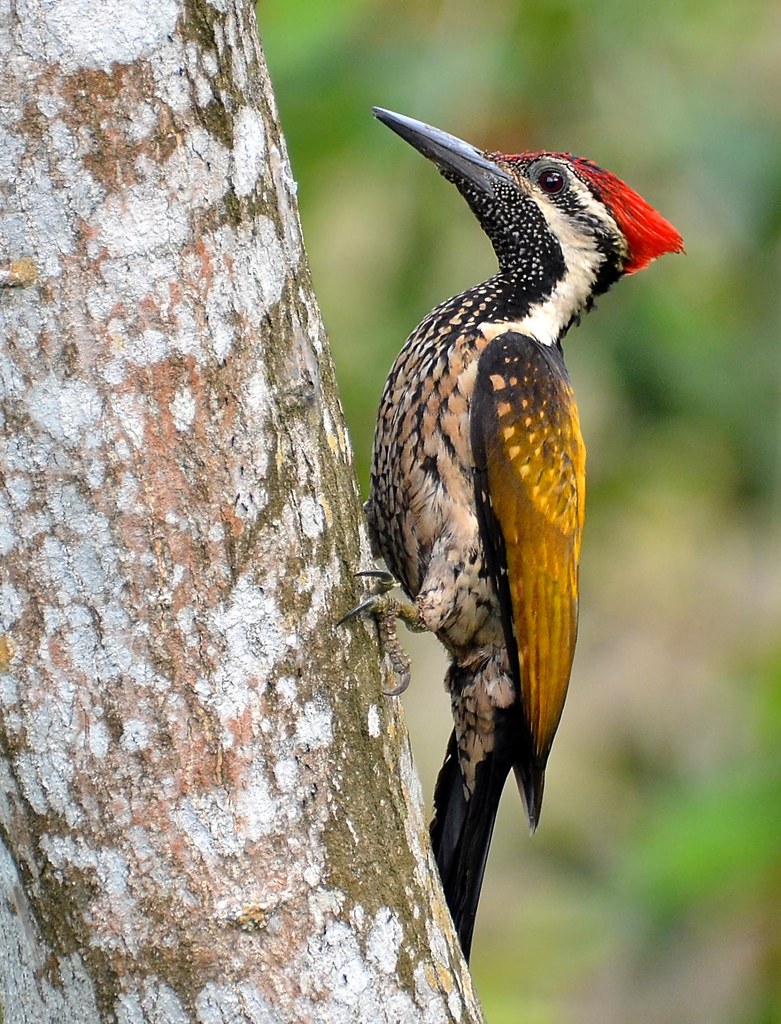
10. Black-rumped Flameback: one of the few woodpeckers found in urban areas, these birds have a distinct rattling-whinnying call. These are also the woodpeckers to have golden coloured backs and black throats. 


11. Eurasian Golden Oriole: these are extremely shy birds and are generally difficult to spot. They however have a characteristic call ["or-ee-ole"] which gives them away.


12. Grey Francolin: found commonly in the plains of South Asia, these birds have a loud and distinct call, Ka-tee-tar-tee-tar, which has earned them the local Hindi name of 'Teetar'.


13. Cotton Pygmy Goose: these birds are chiefly aquatic. In order to obtain food, they flatten their heads and necks on the water surface to allow water to filter through their bills while swimming. They swallow by lifting their heads in an upward jerking movement. 


14. Eurasian Wigeon: much like geese,these birds obtain food mostly by grazing on land,  but are known to sneak around flocks of diving ducks that are feeding and grab their food.


15. Lesser Whistling Teal: these birds are different from most other ducks, in that they have longer legs and squarish heads, and there are not many noticeable differences between the males and females. They also assume an erect goose-like posture when alert.